Introduction: Understanding Dowsstrike2045 Python
Dowsstrike2045 Python has emerged in search results and online discussions as though it were a functional Python-based cybersecurity tool, though there is no verified evidence of its existence. Many websites describe its capabilities in automation, vulnerability scanning, and network analysis, yet these claims lack substantiation. The keyword has gained visibility largely due to repeated mentions across blogs, mirrored content, and automated posts, rather than the presence of an actual tool.
Origins and Online Presence
The term Dowsstrike2045 Python began appearing online around 2024, often linked to cybersecurity topics. Its mentions are widespread across blogs, content aggregators, and mirrored sites, creating the illusion of an active software project. The repeated indexing by search engines amplifies this perception, even though there is no official repository, version history, or documentation associated with it.
Many of these references likely originated from test identifiers, auto-generated strings, or placeholder labels inadvertently exposed in public logs or content. Understanding the distinction between indexed keywords and actual tools is critical for anyone working in cybersecurity or Python development. Misinterpreting visibility as legitimacy can lead to wasted effort, confusion, and potential security risks when exploring unverified software claims.
Interactive Table: Real vs Speculative Python Tools
| Category | Verified Tool | Unverified/Speculative | Significance |
|---|---|---|---|
| Existence | Scapy, Metasploit, OWASP ZAP | Dowsstrike2045 Python | Verification ensures reliability and safety |
| Source Code | Public repository with version history | No official source | Auditability and security assurance |
| Documentation | Comprehensive guides and tutorials | None | Understanding functionality and proper use |
| Community Support | Active forums and peer reviews | None | Collaboration and troubleshooting |
| Risk Level | Low when verified | High if attempted to run | Ensures safe practice in cybersecurity |
What Dowsstrike2045 Python Really Means
Dowsstrike2045 Python does not have a literal meaning or functional definition in programming. It is best understood as a unique identifier or placeholder rather than a deployable Python tool. In software development, developers often generate alphanumeric strings for debugging, internal references, or experimental builds. Occasionally, these identifiers leak into logs, templates, or web content, where they become searchable and indexed.
The significance of Dowsstrike2045 Python arises from the context in which it is discussed online, with blogs attributing speculative capabilities to it. Its “meaning” is derived entirely from the claimed functionalities such as network scanning, automation, or real-time monitoring, rather than from any verified software or codebase. Recognizing this distinction protects researchers and enthusiasts from assuming it is a functional cybersecurity tool.
Risks of Using Unverified Tools
Engaging with unverified software like Dowsstrike2045 Python carries significant security risks. Without official documentation or source verification, any downloadable file could contain malware, spyware, or ransomware. Running such software without auditing its code or provenance can compromise system integrity, data confidentiality, and operational security.
Cybersecurity professionals consistently advise evaluating the legitimacy of Python frameworks before using them, prioritizing well-known, peer-reviewed, and documented tools. Speculative tools not only fail to deliver claimed functionalities but may also create legal and ethical complications if used in corporate or sensitive environments. Understanding these risks ensures safe and responsible engagement with Python-based cybersecurity technologies.
Python in Verified Cybersecurity Tools
Python is widely adopted in cybersecurity because of its simplicity, modularity, and vast library ecosystem. Real and trusted Python-based frameworks such as Scapy, Impacket, Volatility, and Paramiko are commonly used for network analysis, penetration testing, memory forensics, and secure SSH connections.
Unlike Dowsstrike2045 Python, these frameworks are fully documented, actively maintained, and widely reviewed by the developer community. They provide practical functionality, allow reproducibility, and are safe for learning and professional application. Understanding the features and capabilities of verified Python tools is essential for distinguishing speculative terms from software that can be reliably deployed in cybersecurity projects.
Evaluating Python Tools Responsibly
Before trusting any Python tool, it is essential to assess its source and integrity. Tools must have official repositories with version history, proper licensing, and community verification. Documentation, tutorials, and peer reviews are critical to ensure understanding of functionality and proper use.
Evaluating the development team’s credibility and confirming active maintenance further enhances safety. This approach reduces the risk of compromising systems with unverified code. For terms like Dowsstrike2045 Python, careful evaluation reveals the absence of these markers, highlighting the speculative nature of the keyword and emphasizing the importance of evidence-based assessment in Python cybersecurity research.
Claimed Features and Misconceptions
Online sources frequently attribute advanced features to Dowsstrike2045 Python, suggesting capabilities such as automated vulnerability scanning, AI-assisted anomaly detection, and modular architecture. While such functionalities are plausible for Python-based cybersecurity tools, no verifiable code, official documentation, or developer endorsements exist to substantiate these claims.
Misinterpretation of blog posts and SEO-driven content leads users to believe the tool is functional. Recognizing that these features remain hypothetical prevents unnecessary risks and directs attention toward real frameworks that safely offer similar capabilities with full transparency.
Safe Alternatives
For those seeking Python cybersecurity capabilities, verified frameworks provide reliable functionality and safety. Kali Linux offers a complete pentesting suite; Metasploit provides structured exploit testing; OWASP ZAP enables web application security analysis, and Burp Suite facilitates interception and testing of network traffic.
These frameworks are actively maintained, fully documented, and supported by professional communities, making them suitable for practical use. By exploring verified alternatives, users can develop skills safely, gain hands-on experience, and avoid the hazards associated with unverified, speculative tools like Dowsstrike2045 Python.
Understanding Search Engine Indexing
The popularity of Dowsstrike2045 Python as a keyword demonstrates how search engines can amplify content without verification. Frequent mentions across blogs and mirrors create perceived legitimacy despite the absence of a real tool. Automated content, copy-paste posts, and repetitive indexing generate misleading results that attract user curiosity.
Learning to interpret search engine results critically helps readers differentiate between speculation and confirmed software. By recognizing indexing mechanisms, users can focus on authoritative sources and verified Python frameworks rather than being misled by high-visibility yet unsubstantiated keywords.
Best Practices in Python Security Development
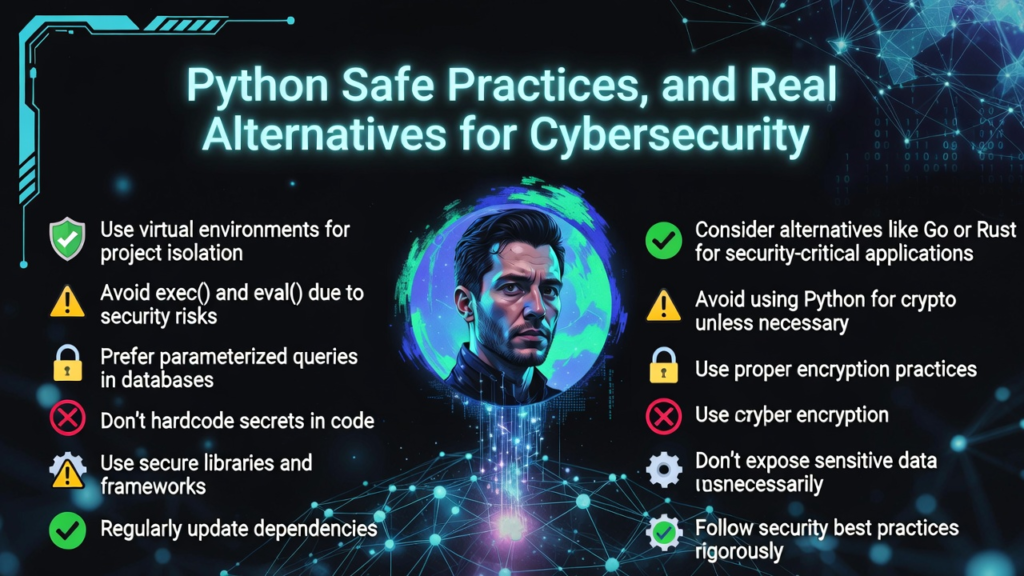
When developing Python scripts for cybersecurity, safety and reproducibility are paramount. Using virtual environments ensures dependencies are isolated, while pinning package versions prevents conflicts. Code should be audited, tested in sandboxed environments, and executed with the minimum privileges necessary to prevent compromise.
Peer reviews and collaboration foster quality assurance and identify vulnerabilities. Following these practices ensures that Python security tools, whether custom scripts or established frameworks, remain reliable and safe. This contrasts sharply with speculative or unverified terms like Dowsstrike2045 Python, where unknown code cannot be trusted.
Comparing Real and Speculative Tools
To evaluate Dowsstrike2045 Python, it is helpful to compare it with verified frameworks. Verified tools provide source code, active maintenance, documentation, and community support, while speculative tools have none of these attributes.
These differences are critical in assessing trustworthiness, usability, and safety. Understanding these comparisons equips cybersecurity professionals to make informed choices and avoid potential hazards posed by unverified software. Knowledge of the characteristics of legitimate Python tools reinforces safe adoption of technology in professional and educational environments.
Pros and Cons of Exploring Dowsstrike2045 Python
Pros:
- Sparks research and curiosity
- Encourages evaluation skills
- Teaches keyword vs. tool differentiation
- Highlights search engine behavior
Cons:
- Can be misleading if treated as real software
- May expose users to unsafe downloads
- Distracts from verified tools
- Potentially confusing for beginners
Expert Guidance and Recommendations
Cybersecurity experts advise caution when encountering unverified Python tool names. They emphasize the importance of consulting official repositories, documentation, and community endorsements before using any software. Terms such as Dowsstrike2045 Python should be treated as educational identifiers rather than deployable tools.
Developing skills with verified frameworks builds practical knowledge, ensures safety, and maintains professional standards. By following expert guidance, users can avoid risks associated with unverified software while still learning Python-based security techniques and contributing to safe development practices.
Long-Term Implications of Speculative Keywords
The proliferation of speculative keywords like Dowsstrike2045 Python highlights the need for digital literacy and critical evaluation. Users encountering unfamiliar terms online must differentiate between indexed mentions and functional software.
Misinterpretation of search visibility as legitimacy can mislead students, researchers, and professionals. Understanding this phenomenon encourages careful investigation, reliance on credible sources, and informed decision-making. Long-term, these skills are essential for responsible participation in cybersecurity, Python development, and the broader tech ecosystem.
Conclusion
Dowsstrike2045 Python remains an unverified term circulating in online discussions and search results, often described with speculative features but lacking official documentation, source code, or community support. Users should approach such terms with caution, prioritizing verified Python frameworks for cybersecurity learning and practice. Safe evaluation, adherence to professional standards, and reliance on trusted tools ensure productive and secure development. Awareness of indexing dynamics, keyword proliferation, and speculative claims equips readers with the knowledge to navigate online content responsibly and build expertise with confidence.
Frequently Asked Questions About Dowsstrike2045 Python
1. What is Dowsstrike2045 Python?
Dowsstrike2045 Python is a keyword circulating online, not a verified Python tool. It lacks official documentation, repositories, or real functionality.
2. Is it safe to use?
No, downloading or running Dowsstrike2045 Python is unsafe. There is no confirmed code, and unverified files may contain malware.
3. What features does it claim?
Some sources speculate it can scan networks or detect vulnerabilities, but these claims are unverified and purely hypothetical.
4. How does it differ from real tools?
Verified Python cybersecurity frameworks like Scapy, Metasploit, and OWASP ZAP have proper documentation, active support, and safe functionality, unlike this speculative keyword.
5. What are safe alternatives?
Focusing on verified tools such as Scapy, Metasploit, OWASP ZAP, and Burp Suite ensures practical, safe, and professional cybersecurity learning.